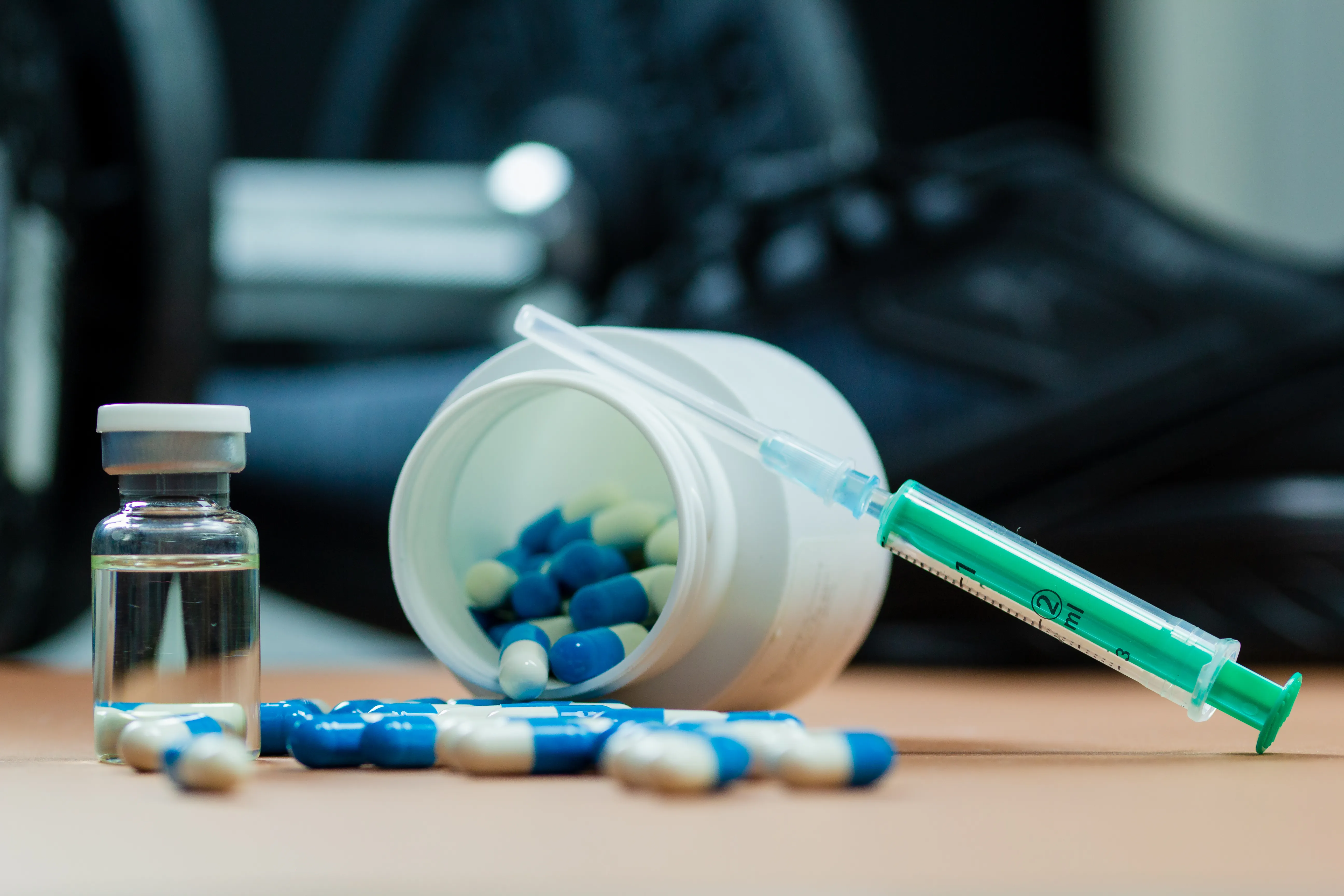
Due to restricted access to investigational pharmaceuticals, standard-of-care comparators, supporting medications, and necessary supplies, clinical research which is already a complicated and strictly regulated field is currently under unprecedented stress. In addition to interfering with present clinical studies, these shortages are endangering future research's design, schedule, effectiveness, and viability. The sector is facing basic concerns around trial continuity, supply chain transparency, and resilience as sponsors and investigators rush to adjust. World BI is organizing Clinical Trial Supply Forum again where this topic is going to be discussed. Below, we inspect the root causes of this issue, its impact on clinical research, and the strategies being developed to safeguard future trials.
Understanding the Root Causes of Drug Shortages
Drug shortages are rarely the result of a single cause; rather, they stem from a combination of manufacturing, economic, regulatory, and geopolitical factors. Some of the most significant contributors include:
Manufacturing Disruptions
Production of pharmaceuticals is quite centralized. Global supply may suddenly decline if a single plant has equipment malfunctions, contamination problems, or poor quality. In recent years, a number of shortages have been connected to manufacturing quality issues that lead to recalls or shutdowns.
Supply Chain Vulnerabilities
Raw materials, active medicinal ingredients, packaging elements, and distribution networks are all necessary for worldwide clinical trials. A disruption at any step such as port closures, transportation delays, or shortages of precursor chemicals can halt drug production.
Market Dynamics
Generic drugs, which are often used as comparators in trials, are particularly vulnerable. Thin profit margins discourage manufacturers from investing in redundant production lines or maintaining surplus inventory.
Regulatory Actions
Inspections, compliance failures, or sudden regulatory restrictions can force companies to cease manufacturing. While these interventions protect patient safety, they can also create prolonged gaps in availability.
Geopolitical Instability
Trade restrictions, war, sanctions, and economic crises can significantly disrupt pharmaceutical supply chains, especially for countries dependent on foreign API imports.
How Drug Shortages Disrupt Ongoing Clinical Trials
When drug shortages occur in the midst of an active clinical trial, the consequences are immediate and often severe.
Trial Delays and Pauses
Forced delays or brief suspensions of study activities are the most frequent effects. Patient recruitment must stop, dosing regimens may be disturbed, and planned endpoints can no longer be accurately monitored in the absence of a sufficient drug supply.
Compromised Protocol Integrity
Clinical trials follow authorized protocols to the letter. Missed doses, altered regimens, or switching drugs are examples of dosing disruptions that might introduce unpredictability and compromise the validity and quality of data.
Increased Risk to Patient Safety
Patient safety is paramount. Delayed dosing or the use of alternative medications may increase the risk of adverse events. Participants who rely on study medications for chronic or life-threatening conditions may face health setbacks if drug access is interrupted.
Impact on Comparator Arms
Many studies require standard-of-care medications as comparators. When those drugs are in short supply, it becomes impossible to evaluate the investigational drug fairly and scientifically.
Budget Overruns
Operating costs are directly impacted by trial delays. Sponsors might have to prolong site payments, renegotiate contracts, or get costly substitute supplies. Logistical adjustments such as re-labeling, re-packaging, or implementing new temperature-control solutions also add financial strain.
The Impact on Future Clinical Trials
The challenges reshape planning, design, and feasibility, leading to long-term consequences for innovation and patient access.
Difficulty in Trial Planning and Forecasting
Sponsors rely on long-term medicine supply forecasts. These projections are disturbed by shortages, which makes it more difficult to guarantee that resources will be available during the experiment.
Re-Designing Trial Protocols
Such changes often require new regulatory submissions, extending timelines significantly.
Reduced Patient Recruitment
Patients and sites are less willing to commit to trials with unstable supply projections.
Ethical and Regulatory Hurdles
Ethics committees and regulatory authorities may be hesitant to approve trials without robust supply-chain risk mitigation strategies. Sponsors must now demonstrate contingency planning far more rigorously than in the past.
Increased Focus on Manufacturing Redundancy
To counter future shortages, companies must invest in diversified manufacturing sites, backup suppliers, and predictive supply chain technology. While necessary, these investments increase development costs.
Vulnerable Therapeutic Areas
Certain therapeutic categories are disproportionately affected by drug shortages:
- Oncology: Chemotherapy drugs, supporting drugs, and precision therapies must be consistently available for cancer trials. Oncology medication shortages may put a complete stop to trials.
- Rare Diseases: With small patient populations and limited manufacturing, even minor disruptions can derail entire research programs.
- Infectious Diseases: Fast-evolving diseases necessitate prompt study; antiviral or antibiotic shortages can postpone important discoveries.
- Pediatrics: Pediatric formulations are often produced in smaller quantities, making them highly susceptible to shortages.
Strategies to Mitigate the Impact of Drug Shortages
To maintain the continuity of clinical research, organizations need robust and proactive strategies:
Early Supply Chain Mapping
Sponsors must identify all suppliers, third-party manufacturers, logistics partners, and potential risk points. Comprehensive mapping allows teams to develop contingency strategies.
Redundant Manufacturing and Dual Sourcing
It is no longer feasible to rely on a single manufacturing plant or supplier. Diversification ensures that essential medications are consistently available.
Adaptive Trial Design
Adaptive protocols allow researchers to modify dosing, comparators, or treatment arms without undermining data integrity. This reduces vulnerability to supply disruptions.
Closer Collaboration with Regulators
Regulatory authorities worldwide are increasingly open to accelerated approvals, protocol modifications, and emergency supply authorizations when shortages pose a risk to trial integrity.
Predictive Analytics
AI-driven forecasting tools help sponsors anticipate shortages before they happen, enabling proactive inventory adjustments and supply chain interventions.
The Path Forward
Drug shortages represent a serious threat to scientific progress, patient access, and global health innovation. As the frequency and severity of shortages rise, the clinical research community is being forced to rethink long-trusted operational practices. Developing a robust, transparent, and diverse supply chain is no longer a competitive advantage but rather a basic necessity. The task for sponsors, regulators, CROs, and healthcare systems is straightforward: give supply chain resilience top priority to safeguard research continuity and guarantee that patients receive life-saving treatments without interruption. We can only protect the integrity of clinical trials and continue to advance medical advancements that save lives all around the world by acting decisively and cooperatively.
Clinical Trial Supply Forum
Clinical Trial Supply Forum is a global event uniting leading pharmaceutical, biotech, and clinical research organizations along with AI, data science, regulatory, and clinical operations experts to explore the future of clinical supply. Clinical Trial Supply Forum Organized by World BI, this dynamic conference focuses on clinical trial design, Clinical Supply Planning & Forecasting, Risk-based supply planning, decentralized trials, real-world data, Clinical drug product manufacturing, Cold chain and controlled room temperature logistics, Randomization, Supply chain simulation and trial supply management and AI-driven innovations in clinical research. The event fosters cross-industry collaboration and innovation to enhance the efficiency, diversity, and success of clinical trial supply globally.